
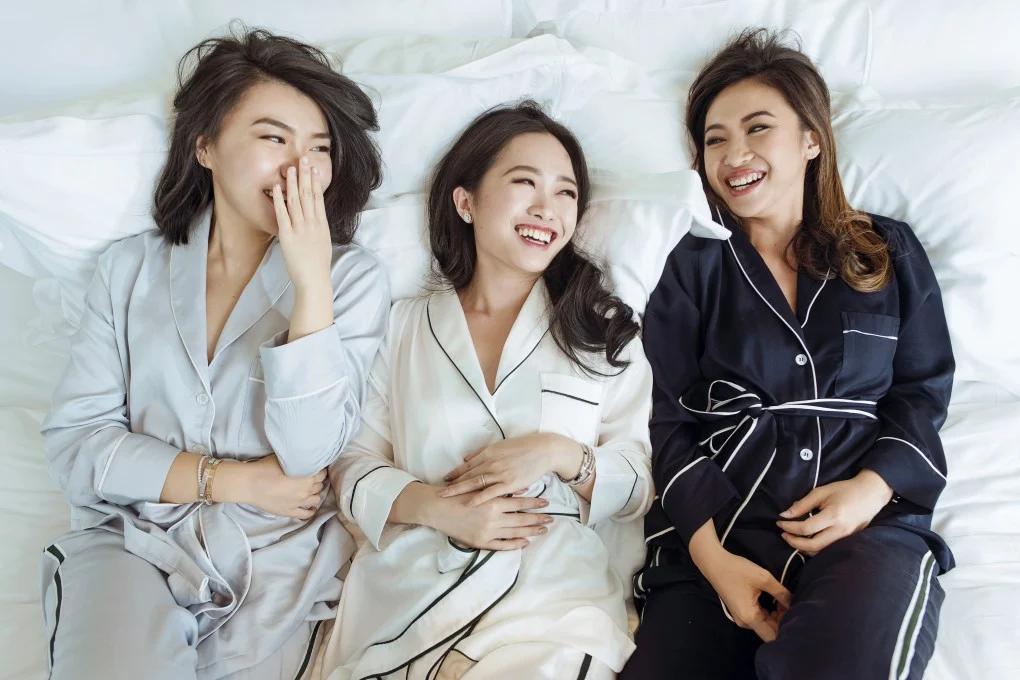

Most people invest considerable thought into what they wear during daylight hours. We buy tailored blazers for the office, durable athletic wear for morning runs, and stylish casual pieces for weekend gatherings. Yet, when it comes to the hours spent in bed, nighttime attire is frequently treated as an afterthought. Discarded promotional t-shirts, worn-out gym shorts, and stiff, cheap synthetic sets often make up the modern pajama drawer.
Considering that the human body spends roughly a third of its entire existence asleep, this disconnect is striking. Sleep is not a passive luxury; it is the vital biological window during which cellular repair, memory consolidation, hormone regulation, and nervous system recovery occur. What you wear against your skin throughout those seven or eight hours directly influences the depth and continuity of your rest. Investing in high-quality sleepwear is not merely an indulgence in vanity. It is a fundamental, tangible upgrade to your daily health, tactile comfort, and overall lifestyle.
The Science of Temperature Regulation and Sleep Architecture
One of the most critical mechanisms governing human sleep is thermoregulation. As dusk approaches, your circadian clock signals the internal core temperature to drop by approximately one to two degrees Fahrenheit. This slight cooling triggers melatonin release, slows down heart activity, and allows the body to transition smoothly through the stages of non-rapid eye movement and rapid eye movement sleep.
When clothing interferes with this natural cooldown, sleep architecture fragments. Low-grade polyester, cheap nylon, and unrefined rayon weaves trap body heat, transforming your bed into a humid microclimate. In contrast, superior sleepwear is constructed from carefully selected natural or engineered cellulosic fibers that allow excess heat to radiate away without chilling your skin:
-
Mulberry silk: A natural protein filament that adapts dynamically to ambient temperatures, offering breathability when your body runs warm and gentle insulation when ambient room temperatures plunge.
-
Organic long-staple cotton: Renowned for structural breathability, permitting steady air circulation across the epidermis without suffocating pores.
-
Bamboo lyocell and modal: Plant-derived semi-synthetics created through closed-loop processes, celebrated for outstanding moisture management and rapid moisture evaporation.
-
Fine-gauge merino wool: A thermoregulating miracle fiber containing microscopic air pockets that actively regulate vapor before it turns into noticeable liquid perspiration.
By stabilizing skin microclimate temperatures, premium garments eliminate the sudden night sweats and shivering episodes that wake you from deep restorative cycles.
Protecting the Integrity of the Skin Barrier
Your skin does not rest while you sleep; in fact, nocturnal cell mitosis peaks around midnight, and blood flow to the skin barrier increases dramatically. This natural regeneration cycle leaves the dermal surface vulnerable to micro-friction, irritation, and dehydration.
Mass-produced, budget pajamas often feature coarse synthetic threads, heavy chemical finishing agents, abrasive internal tags, and stiff chain-stitched seams. As you shift and rotate throughout the night, these rough elements rub repeatedly against vulnerable skin. Over weeks and months, this ongoing friction exacerbates inflammation, accelerates eczema flare-ups, and contributes to dry, irritated patches.
High-grade sleepwear eliminates these microscopic irritants. Artisanal and specialized loungewear brands utilize French seams, flatlock stitching, tagless necklines, and gentle dye formulations that respect sensitive dermatological layers. Mulberry silk, for instance, exhibits an exceptionally low coefficient of friction, meaning it glides effortlessly across the skin without tugging on sensitive facial contours or dry bodily zones. Furthermore, silk does not absorb valuable moisture from your night creams or your body’s natural lipid reserves, allowing topical skincare treatments to perform their jobs without interference.
Durability, Sustainability, and True Cost-Per-Wear
A common hesitation when looking at premium nighttime apparel is the initial price tag. Spending substantial money on clothes that no one else sees can feel counterintuitive. However, applying the basic economic principle of cost-per-wear reveals that luxury sleepwear is often considerably more economical than its fast-fashion counterparts.
Cheap budget nightwear deteriorates rapidly under regular washing and mechanical agitation. After a handful of trips through the laundry, low-end knits begin to pill, lose their shape, shrink unevenly, and develop scratchy static charges. Within six months, they are typically consigned to the trash or downgraded to household cleaning rags, driving a relentless cycle of disposal and re-purchase.
Conversely, premium sleepwear is built to last through hundreds of evenings:
-
Tensile resilience: Long-staple fibers resist fraying and surface pilling even after repeated weekly laundering.
-
Shape retention: Master-crafted knits and woven panels maintain structural drape and waistband integrity across multiple seasons.
-
Color fastness: High-end reactive and low-impact dyes bind deeply into natural fibers, resisting the dingy gray fading common in cheap textiles.
-
Mindful environmental footprints: Responsibly harvested silks, certified organic cottons, and closed-loop wood pulps bypass the heavy microplastic shedding and petroleum pollution typical of disposable synthetics.
When you purchase a well-constructed garment that lasts for five years of nightly wear, the daily financial commitment drops to a fraction of a cent per night.
The Psychological Value of the Bedtime Ritual
Humans are creatures of routine, and our brains rely heavily on sensory conditioning to transition between opposing states of activity. When your daily routine blurs the lines between work, casual leisure, and sleep, your central nervous system struggles to recognize when productivity should give way to rest.
Slipping into the exact same ragged gym shorts you wore to do yard work sends ambiguous neurological signals. The mind associates those clothes with exertion, daytime stress, and movement. Conversely, deliberately changing into dedicated, exquisite sleepwear functions as a tactile boundary. The gentle drape of silk, the soft touch of brushed modal, or the crisp weight of woven poplin cues the parasympathetic nervous system that the day is done.
This intentional physical shift fosters a calming ritual of self-care. It transforms the act of going to bed from a rushed, utilitarian chore into a soothing, restorative luxury that you look forward to throughout a demanding afternoon.
Freedom of Movement and Ergonomic Tailoring
Quality sleepwear is distinguished as much by its anatomical tailoring as by its fabric composition. Cheaper alternatives tend to rely on crude, boxy geometric templates designed strictly to minimize fabric waste on an automated factory cutting table. The resulting garments feature shallow armholes, tight crotches, and unyielding waistbands that twist uncomfortably whenever you roll onto your side or stomach.
Premium garment construction accounts for the kinetic nature of human sleep:
-
Generous gusseting and pleats: Specialized back pleating and underarm articulation give shoulders full range of motion without pulling the hem upward.
-
Ergonomic, non-rolling waistbands: Soft, fabric-encased elastic channels or wide drawstrings disperse pressure evenly, eliminating painful red indentations across the stomach.
-
Balanced weight distribution: Fabric hangs with sufficient fluidity to prevent bunching around the hips, thighs, and knees during unconscious shifting.
When your nightwear moves seamlessly with your body, your nervous system experiences fewer micro-arousals caused by physical constriction, granting you deeper, uninterrupted periods of vital sleep.
Frequently Asked Questions
How should someone properly wash and preserve mulberry silk pajamas at home?
Mulberry silk requires gentle care to protect its delicate amino acid structure. Hand wash the garment in cold water or run it through a washing machine on the delicate cycle inside a mesh laundry bag. Always use a gentle, pH-neutral liquid detergent specifically formulated for silk and wool, avoiding any products with bleach, optical brighteners, or harsh enzymatic stain lifters. Never wring out silk sleepwear; instead, press the excess water out between two clean towels and hang or lay the garment flat to dry in a shaded area away from direct sunlight and artificial radiators.
Why do synthetic fabrics like polyester often smell foul after only a few nights of wear?
Polyester and other synthetic textiles are made from petroleum-based plastics that are naturally oleophilic, meaning they attract and absorb body oils, sebum, and fatty sweat components. Bacteria living on the surface of the skin feast on these trapped lipids and produce volatile organic compounds that cause distinct body odors. Because synthetic fibers lack natural breathability and hold onto oily residues tenaciously, these smells often bond deep within the plastic threads and prove extremely difficult to eliminate with standard laundering.
Are there practical seasonal guidelines for choosing between woven poplin and knit fabrics?
Woven fabrics like crisp cotton poplin do not stretch and naturally sit away from the body, creating built-in air chambers that facilitate ventilation, making them an excellent choice for humid summer months or hot sleepers. Knitted fabrics such as jersey, modal, and ribbed bamboo stretch dynamically and hug the body closely, providing more immediate warmth and a cozy, cocoon-like sensation that generally works best for cooler autumn and winter evenings or air-conditioned bedrooms.
What certifications should a buyer verify to confirm the environmental safety of sleepwear fabrics?
Consumers should look for standardized global certifications to guarantee fabrics are free from harmful industrial chemicals. The Oeko-Tex Standard 100 certification verifies that every component of the garment, including threads, buttons, and dyes, has undergone rigorous testing for hundreds of toxic substances. The Global Organic Textile Standard verifies that organic materials like cotton or linen were harvested and manufactured under strict environmental and fair labor regulations from farm to finished garment.
Can individuals with severe skin allergies wear sleepwear made from pure wool?
Individuals with sensitive skin or contact dermatitis can often wear sleepwear made from ultra-fine merino wool, provided the fiber diameter is below 17.5 microns. Coarse traditional wools have thick, stiff fibers that prick the skin and cause mechanical itching, but ultra-fine merino fibers bend effortlessly against the epidermis without creating irritation. In clinical evaluations, high-grade superfine merino wool has even been shown to alleviate eczema symptoms by stabilizing skin humidity and preventing rapid moisture loss.
How does the weave density or thread count influence pajama breathability compared to bed sheets?
Unlike bed sheets, where high thread counts are frequently marketed as a mark of luxury, sleepwear requires a balanced, lighter weave density to permit unobstructed airflow. If a pajama fabric has an excessively high thread count or uses densely packed multi-ply yarns, the tiny gaps between the fibers close completely, severely restricting ventilation. For clothing worn directly against the body, a lighter single-ply weave delivers far superior thermal regulation and allows perspiration to escape much faster than an over-engineered, heavy-weight fabric.

Comments are closed.